
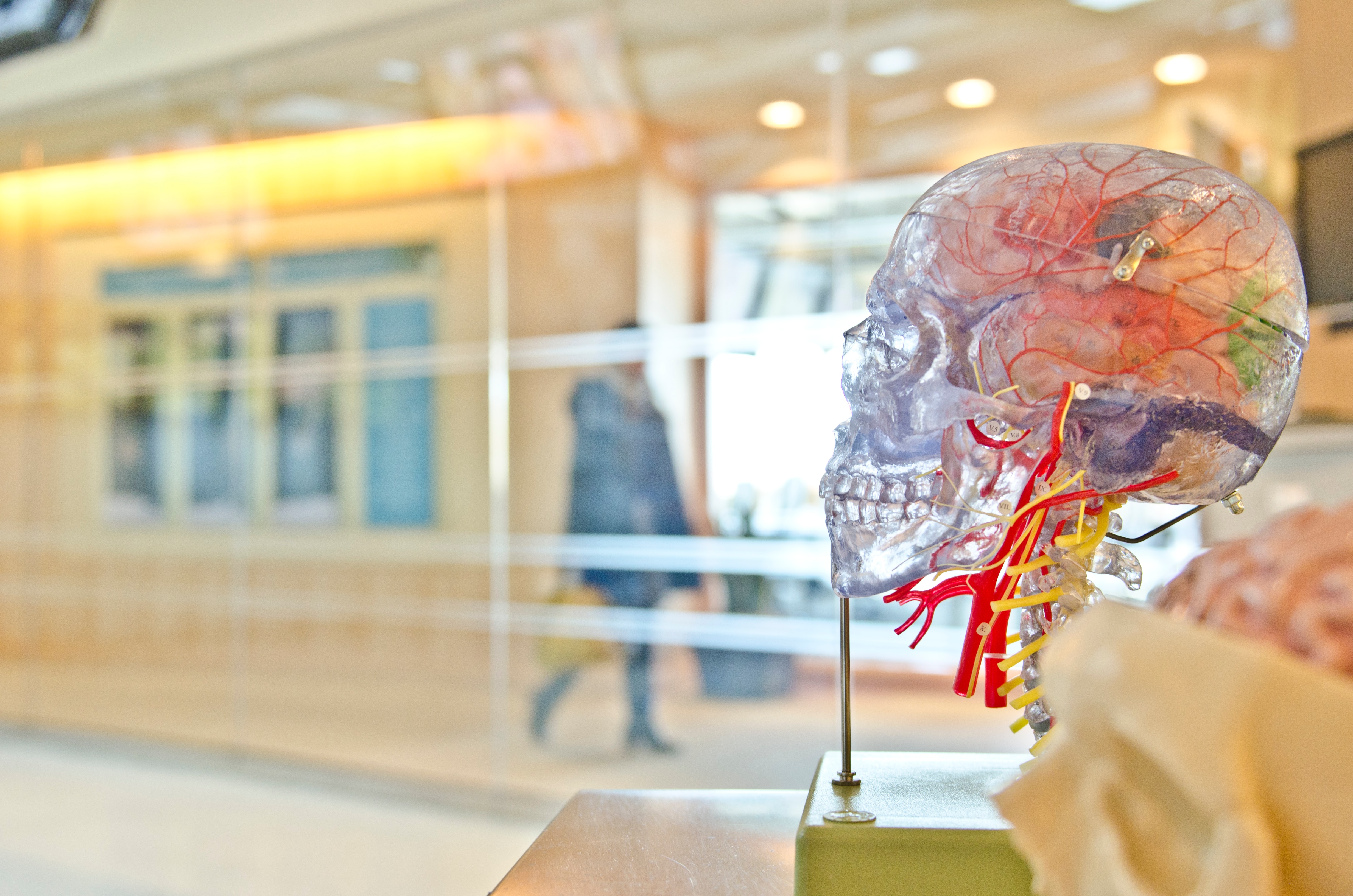
At the recent ISNR Conference in Denver CO, attendees from all aspects of the Neurofeedback sector caught up with the latest developments, findings and case histories on how this fast-developing therapy is impacting people with a wide range of psychological conditions.
One of the most popular presentations: An Integrative Neurotherapy Approach to Balancing the Gut-Brain Axis by Ashlie Bell, looked at recent research within the fields of medicine, neuroscience, psychiatry, and microbiology that has “revealed a complex, remarkably interconnected relationship between the brain and gastrointestinal system”.
“[There is a] complex, remarkably interconnected relationship between the brain and gastrointestinal system.”
In fact, gut-brain imbalances “have been implicated in a myriad of ailments, including anxiety, depression, PTSD, autism, attention deficits, eating disorders, irritable bowel syndrome, inflammatory bowel disease, Chrone’s disease, and ulcerative colitis, among others”.
In addition, as Noel Larson Ford CEO of Neuro Management explained, “because Neurofeedback measures and can manipulate the electricity produced by the Brain we can help it function better”. She added that great progress had been made in helping Opioid and other substance abusers break their dependency. Indeed it can even help with reducing or breaking the ‘trigger points’ that can lead to people overeating or drinking.
More info: www.isnr.org
More Recent Articles




Whole-Body Health and the Rise of Concierge Medicine in Nashville

Omega-3s and Krill Oil: The health benefits you need to know

Inflammation and detoxing: What you need to know

How to Navigate Perimenopause with Awareness and the Self-Compassion You Deserve
