
Author Siim Land (pictured) writes a lot about life, empowerment and health. Here he talks about the ‘Bliss point’….how food manufacturers spend millions researching and creating foods that are addictive.
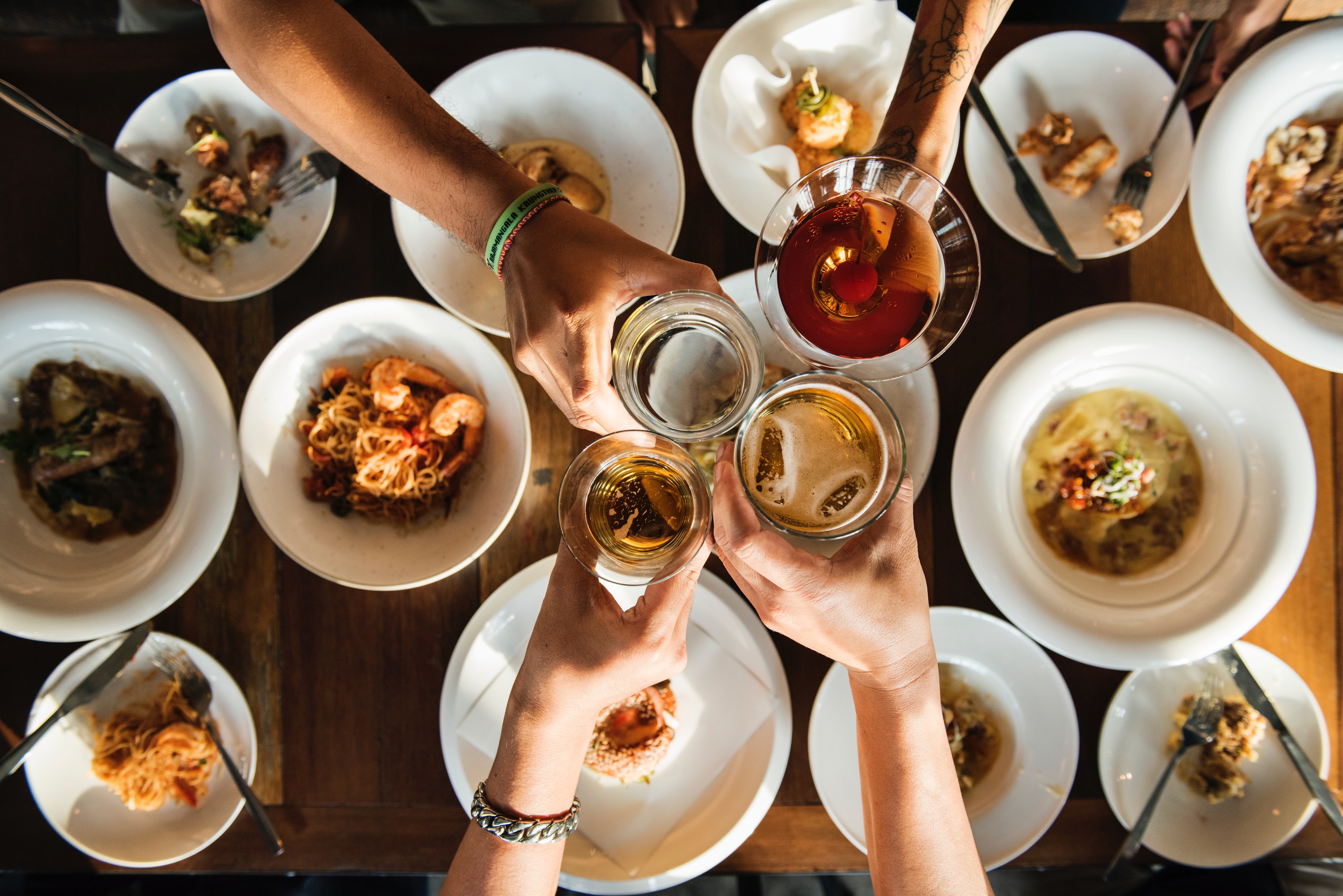
Michael Moss’ bestselling book Salt, Sugar and Fat talks about how the food corporations have tricked their consumers into getting addicted to their products.
Their market researchers and food engineers are trying to figure out the exact amount of an ingredient, such as salt, sugar, or fat, that would optimize palatability and reach the ‘bliss point’.
The pioneering work in this field was done by a psychophysicist Howard Moskowitz who created and optimized food from spaghetti sauces to soft drinks. He describes the bliss point as: “that sensory profile where you like food the most.”
The reason why we crave these three ingredients is that evolutionarily they’re the most precious sources of calories. Salt is essential for life, sugar gives us instant energy and fat is a viable back-up supply. Our subconscious mind can’t help but to motivate us to consume as much of them as possible.
The problem with this is that, unless you’re aware of it, you’ll easily fall victim to your unconscious urges. What’s more, if your bliss point is too high, you’ll never be satisfied enough.
If your taste buds are under the constant stimulation of processed food and refined carbohydrates, then you’re habituating your mind to be content with nothing less.
After a while, you get used to your current bliss point and need to take it to the next level again. You now have to eat, but you’ll also be craving something sweet to drink as well. It’s like a junkie who wants to get another hit.
Of course, there’s a huuuge difference between the jolt you get from vegetables and pastry. One puts you on a blood sugar high and makes you want more, whereas the other nourishes you and keeps you satiated.
The main issue with having too high of a bliss point isn’t about health or consuming too many calories. Much rather, it has to do with values and your mindset.
This bliss point doesn’t apply only to food, it can be found in almost anything else as well – clothing, relationships, sex, entertainment, fast cars, money, fancy houses etc.
There’s nothing wrong with having a high bliss point, it’s just that it can become our downfall. If we aren’t able to be content, then we will never be truly happy either.
More sugar, louder parties, another caffeine jolt, faster cars, bigger houses with more and more stuff we don’t actually need. Constantly trying to get more and more stimulated will leave us chasing rabbits and running like hamsters inside a wheel.
On the other hand, if your bliss point is lower, then you’ll get incredible joy from even the smallest of things. You can get immense amount of enjoyment from something so trivial, such as pure water, clean food, less stuff and quality, not quantity relationships. Paradoxically, your happiness increases, as your bliss point decreases.
The quickest and surest way to liberate yourself from the stimulating effect of processed food is to do strict water fasting for at least 2-3 days. During that time, your taste buds will reset themselves and your mind will begin to appreciate the presence of food.
If you’re eating all of the time, you won’t be able to free yourself from its effects. The best way to get rid of dependency, is to simply re-condition yourself and become independent. This will re-conceptualize hunger and changes your relationship with food.
After breaking the fast, you’ll know how fortunate it is to even have a mouthful. Even healthy food will taste amazing, because your palate has been reset, enabling you to be extremely satisfied with less.
If you’re being aware of where your bliss point lies, you’ll be able to always adjust it. Only you know what satisfies and makes you happy.
Eventually, the bliss point will increase by default. Every sensory experience, even the healthiest of kind, will start to add upon itself and builds in height. Repeated actions that yield a positive response motivate us to keep doing them in the future.
By periodically abstaining from the activities that make us happy, we can reset our bliss point and lower our palate. You only know what a good meal tastes like, after you haven’t had one for a long time.
Hopefully you can see the benefits of having a lower set bliss point. The quality of our lives will actually increase and our values improve.
It starts with food, but can be applied to anything else as well. Our taste buds and palate are exactly there, where we’ve habituated them. Being used to stimulating food teaches us to not be satisfied with anything less.
That’s why I practice some form of intermittent fasting almost every day. It detoxifies the body, cleans the mind and nourishes the soul.
On top of that, I also follow a ketogenic diet, which is the 5th strategy. The food eaten might seem bland and with not a lot of flavor to some – vegetables, eggs, meat, butter with no candy, pastry, potatoes, or even fruit.
For more about Siim Land go to: http://siimland.com
More Recent Articles




Whole-Body Health and the Rise of Concierge Medicine in Nashville

Omega-3s and Krill Oil: The health benefits you need to know

Inflammation and detoxing: What you need to know

How to Navigate Perimenopause with Awareness and the Self-Compassion You Deserve
