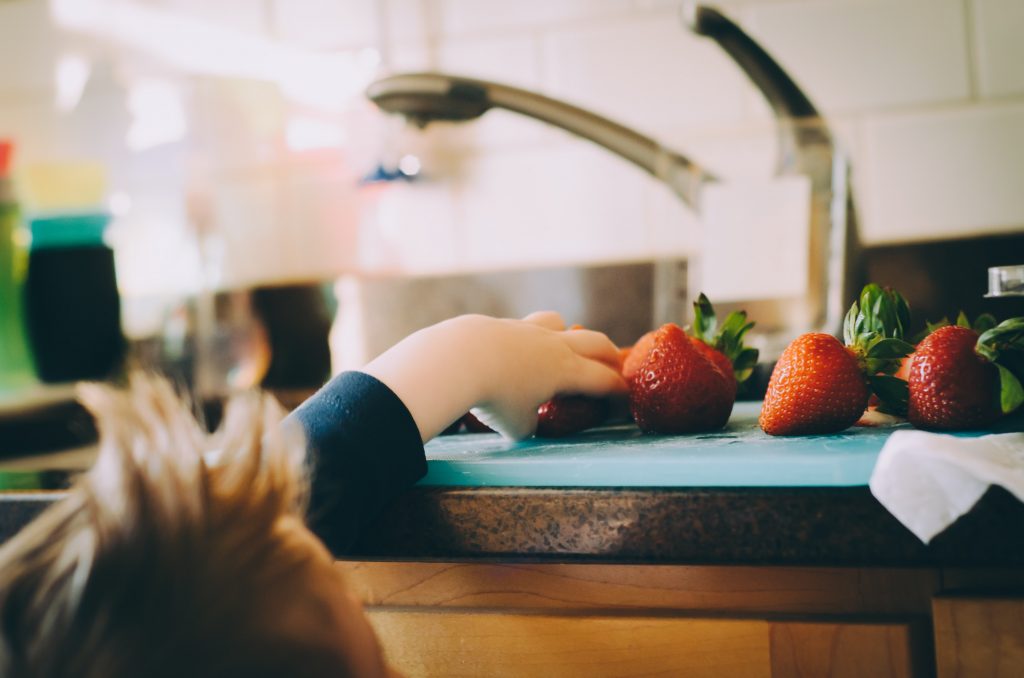
When people ask me what I do, I tell them the short answer: I run a nonprofit that helps kids learn to cook. I get some looks of confusion, and mostly looks of, “That’s nice, dear.” It’s understandable that people react this way. If someone is not interested in cooking, or finds it enjoyable as a hobby, it seems like I might as well be raising funds to teach hula to my dog. Beyond knowing basic nutrition, it feels superfluous, if not luxurious, to learn to cook and eat well.
The thing is, though, that Taste Quest, our organization, seeks to do so much more than teaching a hobby. We want to teach self-sufficiency. We want to equip kids with tools and techniques to strengthen their physical, social, and emotional health. We want to enable kids to see and actively address needs in their community. Food can unlock all of these skills: when someone knows how to cook, they can do all of these things. Cooking is, as we tell the kids, a superpower.
Taste Quest’s official mission is to empower kids to nourish their bodies, their families, and their communities through play-based food education. We create play-based activities (stories, games, experiments, and crafts) that give kids motivation and agency to address and improve their own relationship to food through deepened understanding of nutrition, food science, food cultures and histories, food art, and environmental sustainability. They can foster positive dynamics within their families through increased time spent together in the kitchen and at the table (and maybe less time with screens). Additionally, we partner with businesses who donate to local hunger relief efforts on the kids’ behalf, so kids can have a vehicle to pursue aid for neighbors in need without leaving their homes. All told, we want kids to see the many positive ripple effects of their efforts: body, family, community.
The ripple effects of cooking go even further than our official mission. Cooking is a way to engage in a small creative task which, studies show, improve focus and mood. Reports show that counselors and therapy centers often turn to cooking as a mechanism for treating depression, soothing stress, building self-esteem, and encouraging positive thinking. It can be used as a tool for both post-traumatic and post-ecstatic growth. One of my hopes for Taste Quest participants is that they can learn cooking skills before they enter adolescence, and possibly avoid the rising rates of depression so pervasive among their peers.
Armed with this superpower, our hypothesis is that kids will grow into healthier adults, better equipped to handle the challenges of their world, starting with the meal in front of them. As I like to tell parents, imagine your kids one year from now making their own lunches; then five years from now when they will make Thanksgiving Dinner; then eight years from now when they are going to college as self-sufficient adults. It’s about equipping them with the tools for robust, holistic health, and I believe that starts with our food. Oh, and making the process so fun and awesome that grownups are going to want to do it too.
Taste Quest is in the process of building and launching new material all the time. Join us for our Parent/Child Cooking Class on February 22- Let the Good Tastes Roll! A play-based exploration of New Orleans cuisine just in time for Mardi Gras! Kids will play games, hear stories, and get hands-on with new skills, while parents will gain helpful tools for continuing the learning process at home. Learn more and register click here.
Parents! We need your help to make Taste Quest as awesome as it can be. Please fill out this 5-minute survey to help us mold our tools to fit your family. Survey Participants enter to win a free ticket to the Cooking Class!
Emily Capo Sauerman is the founder and director of Taste Quest.
Related articles: Five ways to practice mindful eating
More Recent Articles




Whole-Body Health and the Rise of Concierge Medicine in Nashville

Omega-3s and Krill Oil: The health benefits you need to know

Inflammation and detoxing: What you need to know

How to Navigate Perimenopause with Awareness and the Self-Compassion You Deserve
