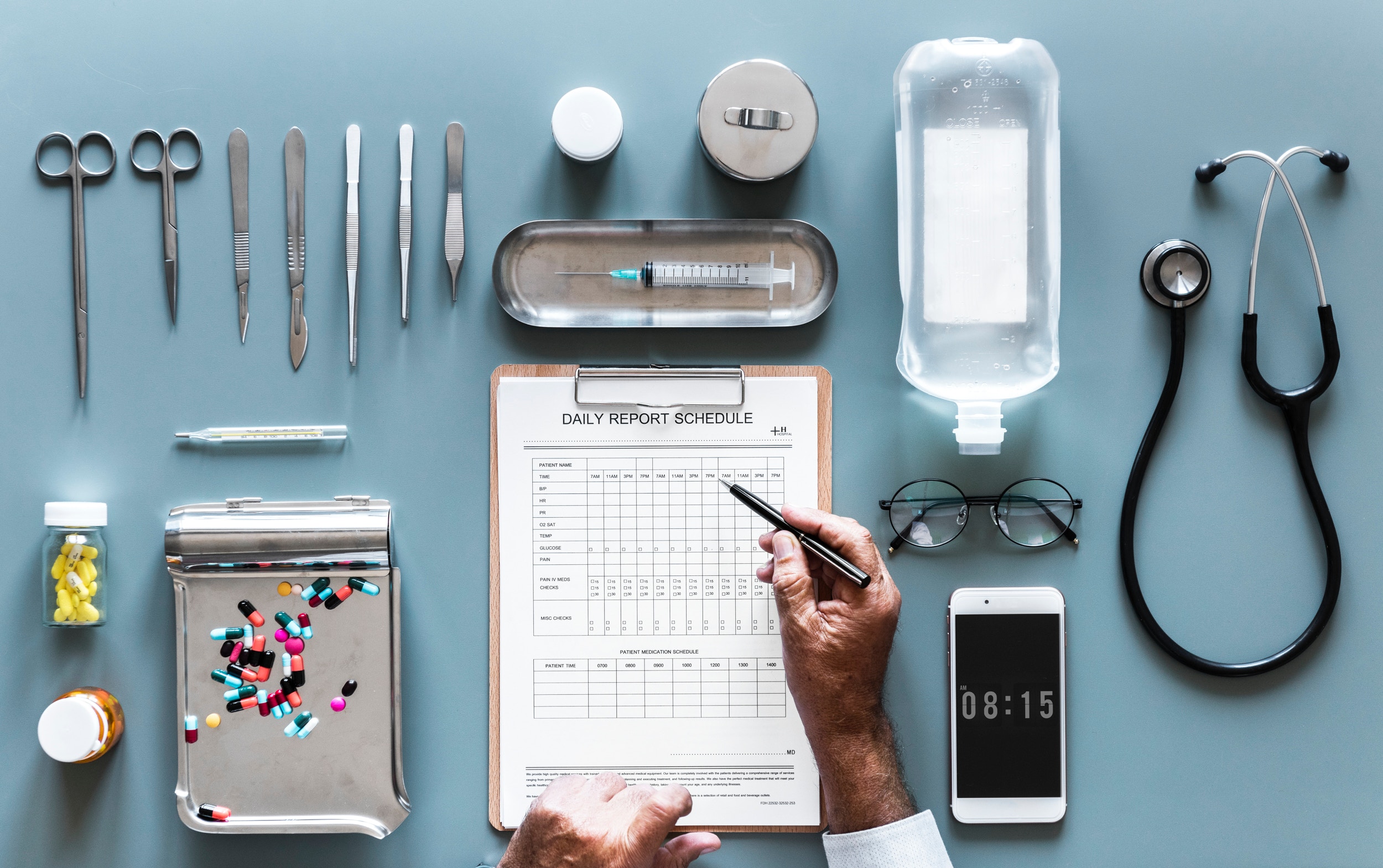
Never before have we had more ways to diagnose, control and improve our health and wellness. 21st medicine whether it be Alternative or Traditional, drug free or not, can now cure more mental and physical illnesses than at any time in our history.
But what of the Future?
Health & Wellness Magazine over the next few issues will look at some of the major (and minor developments) that could impact your health in the years to come. Our eclectic selection will look at everything from a trendy new vitamin to ‘revolutionary’ fitness regimes, advancement in drugs to the impact of technology, and how research may make some of today’s ‘incurable’ illnesses a thing of the past.
Allergies
A recent nationwide survey found that more than half (54.6%) of all US citizens test positive to one or more allergens.
The market for treatments of Allergies is currently $9.7bn expected to grow at the rate of 5% p.a for next seven years. In total The diagnosis and treatment of allergies is a nearly $26 billion market, according to data from Grandview Research.
Research from the U.S. Centers for Disease Control and Prevention shows that food allergies in children have increased approximately 50 percent between 1997 and 2011, now affecting 1 in 13 children in the United States.
Why the huge increase?
One suggestion is, the so-called ‘hygiene hypothesis‘ suggests that a lack of exposure to infectious agents early in childhood can create a scenario where the immune system mistakes a food protein as an invading germ.
Yet another reason for the explosion in Allergies may be environmental changes. Climatologists say 2000-2009 was the hottest decade on record. The warmer climate may worsen respiratory allergies, as the growing season for plants becomes longer and thus increase pollen and allergen counts, some scientists argue.
The third reason: The various factors a baby is exposed to in utero may have a big impact on its resistance to Allergies. Researchers are continuing to study what foods mothers eat during pregnancy, to determine how that impacts the baby and subsequently the child’s resistance to Allergies..
Though there are a number of effective interventions that prevent or reduce the symptoms associated with Allergies, treating the underlying cause has eluded scientists. Nonetheless, several promising lines of research provide hope that we can more effectively treat allergies in the future and possibly even cure them.
Immunotherapies-In recent years, immunotherapies have been touted as promising strategies for interventions in medications related to allergies. Specifically, because allergic reactions are the immune system’s overreaction to an otherwise innocuous agent, immunotherapy aims to train the immune system to recognize that the substances the immune system is reacting to are not in fact harmful.
Probiotics-Probiotics refer to microbes that promote the growth and survival of “good bacteria” and have been identified as a possible solution to allergies.
Ongoing scientific research that clarifies the mechanisms involved in allergic reactions will likely lead to more effective therapeutics (even Vaccines) and potentially allergy preventions.
Alternative and Complementary Therapy
The Alternative & complementary market is expected to generate revenue of $196.87 billion by 2025. In 2015 it was just $40 billion. Nearly 59 million Americans have used some form of alternative treatment, according to a 2016 report by the National Center for Complementary and Integrative Health. Alternative & Complementary Therapies continue to attract interest from a population looking to avoid astronomic healthcare costs and avoid falling prey to Big Pharma and dependence on drugs. If you’re interested to know more: visit Nashville Health & Wellness’s website to see our recent list of ‘100 Alternative Therapies’.
Alzheimer’s Disease
Some 5.7 million Americans are living with Alzheimer’s, by 2050 this number could be as high as 14 million. Today, with nearly 100 potential medicines in clinical trials, researchers are more optimistic than ever that a cure will be found well within our lifetime. Here are some:
Using MRI-based technology, scientists can now identify early physical symptoms, like plaque buildup, that may differentiate mild cognitive impairment related to early-onset Alzheimer’s from normal aging.
Also many of the new treatments in development have the potential to be the first disease-altering medication for this disease. One, for example, uses immunotherapy, an antibody treatment aimed to directly attack the disease and prevent it from progressing. Another possible treatment uses antibodies to significantly reduce the level of amyloid-β, a protein found in the brains of people with early-onset Alzheimer’s.
Researchers are also testing treatments that target tau protein tangles that damage and kill brain cells, as well as a receptor that decreases a neurotransmitter necessary for the brain to think and function normally. Additionally, there are medicines being designed to decrease inflammation found in the brains of Alzheimer’s patients while strengthening the immune system to fight the disease. (Courtesy innovation.org).
Apps
As this issue is published (October 2018) Apple has just announced that its new iWatch will be able to run an EKG on your heart..the latest example of how Apps and technology are changing the way we can manage and control many aspects of our health-without seeing a Doctor. Along with FitBits and other wearable technology our access to instant diagnoses-and treatments is changing every day.
There are around 325,000 health apps available today- a staggering development when it was only in 2009 that Apple launched the campaign to tell people ‘there’s an App for that’.
The impact of Apps in Health are to be seen everywhere:
A recent article by www.kapturecrm.com listed these App developments: People can view schedules of the doctors of their choice and book appointments at a suitable time slot. Patients can now create instant online consultation, free hospital visits and unlimited follow-ups. You can also connect to specialists on voice or video calls to ask questions and ask for help for your problems. Fitness and medical health tracking apps are becoming commonplace. These Apps can help you set targets for health goals and suggest suitable dietary plans to help you get there.
A cloud-based CRM solution such as Kapture and other healthcare mobile apps like Practo allow users to upload and enter their medical history and other information on the App.
Soon smartphones may be capable of detecting abnormalities in DNA, or detect antibodies through sensors. Both current and newer technologies can be hooked on to a smartphone to augment its capabilities.
The above trends are just the beginning of what will be an exciting way ahead for collaboration of mobile technology and healthcare sector.
Arthritis
Arthritis is an umbrella term covering over 100 conditions that affect the joints, tissues around the joint and other connective tissues. Some 50 million Americans are estimated to suffer from some kind of Arthritis. The two most common types of arthritis are osteoarthritis and rheumatoid arthritis. There are many possible ‘cures’ or at least ways to relieve arthritic pain on the horizon:
Osteochondral Autograft or Allograft Transfer System (OATS): In the autograft procedure, surgeons transfer a small plug of cartilage and bone from a healthy area of the patient’s knee to a damaged area.
Synthetic Scaffold Resurfacing: These synthetic, long-lasting plugs are used as graft alternatives.
ACI: Surgeons first remove a small piece of healthy cartilage from the patient’s knee and culture it, producing millions of new cartilage cells. In a second, open surgery six to eight weeks later surgeons fit and seal a collagen patch over damaged cartilage, then inject cultured cells.
Autologous Cartilage Tissue Implants: use a combination of cell therapy and tissue engineering techniques. The first of these second-generation methods could be approved in the United States in a few years. Bio-engineered implants made with the patient’s cartilage cells are grown outside the body and produce cartilage before the implant is placed in the joint.
MSCs from bone marrow can become cartilage cells, and have much promise as a treatment for regenerating bone. Stem cells and bone marrow trick the body into healing more completely and efficiently.
(PRP): A doctor draws the patient’s blood, separates out platelets, concentrates them and injects the growth-factor rich solution into damaged areas, where they reduce inflammation and promote tissue repair. Courtesy: www.arthritis.org
Biohacking
Currently Biohacking is a trendy term that’s being used to describe nearly any change you might make to your health.
According to advocates, “if your body is a system, it has inputs i.e food, exercise, and outputs i.e energy, and other activities, physical and mental”. Biohackers, as they are called, believe fine tuning those ‘inputs’ can lead to immediate, measurable changes in the ‘outputs’. So far there is little scientific evidence to prove what they are claiming, but it’s not stopping a lot of people trying. Think cryotherapy, EMS training, and taking supplements like adaptogens.
But skeptics claim: “No tiny fine tune is going to change your life if you’re not focused on the big picture stuff that we definitely know makes a difference. In other words, if you’re not eating vegetables at every meal, making your coffee Bulletproof isn’t going to help. If you’re sedentary 24-7 and then use EMS to electroshock your muscles, you’re not getting the cardio benefits of exercise” They say you should focus on the big stuff, first, and then get into the nitty gritty if you want to take it further. Others are not impressed with this new ‘craze’ either: “Whether it’s people chafing against regulations that stop them from testing their homegrown drugs on willing idiots, or bulletproof coffee-drinking computer nerds trying to sell their own line of supplements, biohacking is just the same old stuff with a different name. It’s a bit like the term ‘superfood’ — totally meaningless.”
BodyArt Training
Based on the Traditional Chinese Medicine principles of Yin and Yang, which can be understood as ‘passive and dynamic energy’, bodyART® , so proponents claim “challenges you to equalize your powerful, dynamic energy with passive relaxation. This holistic, intense and purposeful experience creates a powerful and lasting effect in your daily life”. So claims the inventor Robert Steinbacher. He explains further:
“Once I used a lot of equipment such as Steps, Bodybars, Tubes or Heavy Hands until I reached the conclusion that the fundamental essence of bodyART is that humans don’t need any equipment to find more body awareness, they only need themselves”.
Brain Injury
A traumatic brain injury (TBI) occurs every 23 seconds.It is estimated that in the USA, around 5.3 million people are living with a TBI-related disability. TBI is the leading cause of morbidity and mortality among young adults in developed economies and the incidence in the elderly population is increasing. The World Health Organization predicts that TBI and road traffic accidents will be the third greatest cause of disease and injury worldwide by 2020.
The cost of TBIs in the United States is estimated at more than $48.3 billion annually:
The diagnosis and treatment of TBI is developing all the time.
Earlier this year, CNN reported on a new technology that could help decode the thoughts of those with functional brain activity in a completely paralyzed body, brought on by a stroke, traumatic injury.
Meanwhile researchers at Harvard are working on a treatment to slow the spread of chronic traumatic encephalopathy (CTE), a degenerative disease common in people who have had frequent head injuries. The scientists are not sure how brain injuries change the structure of the tau, but they’ve developed an antibody, which can be ingested in pill form, that binds to the mangled tau and provokes the body to destroy it. The pill is still a few years away, but it could be a boon for people with CTE and other neurodegenerative diseases, such as Alzheimer’s, that present similar protein tangles.
Scientists at the University of Pennsylvania have developed a film that changes color when it’s hit. It’s made of polymers that link together to form crystals that refract light. The structure of the crystals morphs on impact, causing the color change. It stays that way permanently to record the force. The idea is to give an easy indicator for when an athlete or soldier has been pounded hard enough to necessitate medical care. The researchers, whose work has been funded by the military, say it could be incorporated into helmets within a few years.
Scientists are now looking to biomarkers, or biological indicators, in the blood to help them differentiate between brain injuries of different severities. For example, there may be an increase of a specific biomarker in the blood of a patient with a severe injury that wouldn’t be present in a patient with a mild injury, Managed Care reported. When doctors are better able to determine the severity of an injury, they can make sure patients get the right care at the right time, and that could make a big improvement in their prognoses.
There are currently no drugs that actually treat traumatic brain injuries (TBIs) themselves. Yet drug-based treatment could be the future of TBI management, according to the Daily Times. Researchers have identified a naturally occurring compound called humanin, one type of which reduced impairment in mice with brain injuries. If this treatment method is ultimately found to be successful in human beings, too, then there would finally be a medication that treats the injury instead of just addressing its symptoms.
Other products such as Brainscope enable doctors to scan the brain after a possible concussion and within just a few minutes determine what, if any brain damage has occurred.
More info: www.dana.org
Breathwork
With the whole self help, health and wellness market exploding, website Mind Body Green predicts Breathwork will be the next buzzword. Teacher and meditation guide Ashley Neese, as well as human performance expert Brian Mackenzie and neurobiologist Andrew Huberman, Ph.D., believe ‘Breathwork’ is quickly becoming the next frontier in wellness. “I’ve seen a huge increase in demand for this work on the private, group, and corporate levels because of its effectiveness and accessibility,” Neese said. Biohackers are using it as a shortcut to a meditative state, scientists are studying its effects on the nervous system, and yogis are increasingly adding it to their regular practices.” Breathwork is the quickest way to connect to ourselves,” Neese said. “We all do it automatically, but when we learn to do it in a more controlled way, we have access to our intuition and feelings.” With supernatural benefits that promise to help ease anxiety and access intuition, wellness will see more Breathwork in 2018. Info courtesy www.mindbodygreen.com
Cancer
In a study done by the NCI (National Cancer Institute) in 2017, an estimated 15,270 children and adolescents ages 0 to 19 were diagnosed with cancer and 1,790 died of the disease. According to the NCI, an estimated 1,735,350 new cases of cancer will be diagnosed in the United States in 2018 and 609,640 people will die from the disease. The number of new cancer cases per year is expected to rise to 23.6 million by 2030.
The cost of cancer care in the United States in 2017 was $147.3 billion. In future years, costs are likely to increase as the population ages and cancer prevalence increases.
In the main Cancer treatments in the past have been largely reactionary, but experts say, they don’t need to be. Most Cancer is genetic, which means that treatment can be preventative. This is one reason why newer Cancer treatment techniques are searching for actionable targets in the specific gene before the cancer develops. Promising future cures, or ways to identify the Cancer before it develops, include:
Precision medicine will offer more people customized care based on their genes and history. Two forms of immunotherapy — checkpoint inhibitors and CAR therapy — are harnessing the power of the immune system to fight cancer. New epigenetic drugs could turn cancer cells back to normal instead of destroying them outright. Scientists are learning more about the genes and pathways that drive metastasis, the process by which cancer spread. Nanotechnology has the potential to transform current chemotherapy treatments, with nano-structures loaded with chemotherapy drugs able to selectively target cancer cells, giving the benefits of chemotherapy, without the side effects. It will be between 5 to 10 years before nano-medicines become available. But there is no doubt that nanotechnology has the potential to revolutionize healthcare in the future.
America’s biopharmaceutical companies are in the process of developing more than 1,100 medicines and vaccines for cancer, all of which are in clinical trials or awaiting review by the U.S. Food and Drug Administration (FDA).
Cannabis and CBD
With 17 States in the US legalizing the use of Cannabis as a medical treatment-and many more allowing the non hallucinogen version CBD, to be used to help with a huge array of physical and mental conditions, proponents claim this is the drug of the future. Some estimates put the number of medical marijuana users at nearly four million in the US.
Currently, the two main cannabinoids from the marijuana plant that are of medical interest are THC and CBD. THC can increase appetite and reduce nausea. THC may also decrease pain, inflammation (swelling and redness), and muscle control problems. Unlike THC, CBD is a cannabinoid that doesn’t make people “high.” It may be useful in reducing pain and inflammation, controlling epileptic seizures, and possibly even treating mental illness and addictions.
CBD Oil has been know to help with quitting smoking, natural pain relief, acne, Alzheimer’s disease, Parkinson’s disease, Huntington’s disease, sleep disorders, glaucoma, Type 1 Diabetes, fighting cancer, anxiety, and other neurological symptoms and disorders, and epilepsy.
After researching the safety and effectiveness of CBD oil for treating epilepsy, the FDA approved the use of CBD (Epidiolex) as a therapy for two rare conditions characterized by epileptic seizures in June 2018.
Due to the lack of FDA regulation for most CBD products, seek advice from a medical professional before determining the best dosage. Just like anything else, CBD Oil may benefit a person’s health in a handful of ways, but taking it also poses risks.
Charcoal
‘Activated’ charcoal to be precise, has arrived to supposedly help restore and reinvigorate our toxin-filled bodies. It’s one of the latest ingredients to gain a foothold in the world of detoxing and purification.
Activated charcoal is a fine black powder made from bone char, coconut shells, peat, petroleum coke, coal, olive pits or sawdust. It is not the same substance as that found in charcoal bricks or burnt pieces of food.
Activated charcoal is said to have a variety of benefits, including the potential to lower cholesterol, serve as a natural water filter, help treat poisoning, reduce gas, whiten teeth, promote kidney function. Because activated charcoal is not absorbed by your body, it can carry the toxins bound to its surface out of your body in feces. Even doctors have been known to use it to treat overdoses or poisonings.
However, the studies supporting these benefits tend to be weak, and many of the other benefits linked to activated charcoal are not supported by science. Keep this in mind when deciding whether to give activated charcoal a try.
Clean Label Food
The desire for safe, healthy food isn’t necessarily new, but it has been picking up steam…big time. Millennials in particular are demanding foods free of chemicals and made from a short list of sustainably sourced ingredients.
While the FDA may not have a definition for what exactly counts as a “clean label,” consumers are asking to buy them. According to Nielsen, the share of clean label sales has increased in the last two years, making up to 33 percent of total food and beverage sales this year. At least 93 percent of U.S. households have purchased a clean label product at a grocery store.
This past year, has seen larger corporations embrace wellness, by bringing better food at better prices to grocery stores across the country. These moves indicate a strong interest in millennials, who are more dedicated to eating well and supporting ethical, sustainable business practices with their dollars than any other generation. Kellogg, Target, even Pepsi have started selling a wide range of ‘clean label’ products.
Climate Change and Its Effect On Your Health
While there are still, unfortunately, those in positions of influence who continue to deny Climate Change, and its causes, for the sake of our future health the more informed are already warning us of its likely negative effects. Luckily some 174 other countries and the European Union believe it is crucial that the problem is tackled. But until such time as it is (if ever) the effects of Climate Change will increasingly effect people’s health around the World. And while our current government does little to reduce its effects, its population will gradually see the impact of Climate Change.
According to well respected, informed and knowledgeable experts (not politicians) these could be seen in the following ways:
Global warming will likely bring an increase in heat waves. Those could combine with the buildup of pollution , including ozone, a primary component of smog. Studies have shown high levels of pollution are linked to an increase in hospital admissions for cardiac problems. Ozone pollution is directly linked to temperature, thus climate change could likely lead to increased ozone levels. Analysis has suggested that, within the next ten years, climate change-induced ozone increases in the United States could result in 2.8 million additional respiratory illnesses, 5,100 more infants and seniors hospitalized with serious breathing problems, and 944,000 extra missed school days.
Studies also show allergies are on the rise in some countries, including the United States, which could be due, in part, to rising carbon dioxide levels and warming temperatures.
Global warming may bring an increase in extreme events, including heat waves, floods and large storms, which could come with high death tolls. Heat and drought are amongst the deadliest natural disasters. A study that reviewed weather disasters in the United States since 1980 found the top two killers were heat waves and the drought that comes with them. Increases in heat and rainfall in certain areas brought on by climate change may make conditions ripe for disease spread. Rainfall is thought to benefit insect life, and several studies have linked increased rainfall to disease outbreaks, particularly waterborne diseases.
Certain vector-borne diseases illnesses in which a host organism, such as an insect, carries and transmits a disease-causing agent are particularly affected by varying weather and hotter temperatures. Because these vectors are cold-blooded, they rely on their surrounding environment to control their internal heat. So an increase in temperature would potentially favor insect life, and possibly allow the spread of certain diseases, such as malaria, into new areas.
Collagen
Whether you’ve sipped it, eaten it, or applied it to your skin, it’s likely that you tried (or have at least heard of) this buzzy wellness product. With age, our collagen production decreases. When this happens, collagen products like Vital Proteins and Primal Kitchen can come to the rescue and act as supplements to help save your nails, skin, and hair. In addition to the many beauty benefits, this transformative powder reduces joint pain, improves gut and liver health, and increases metabolism.
Collagen is one of the cleanest types of protein powders, free of many additives that typically fill the supplement aisle. Consumers are increasingly interested in knowing where their food comes from and exactly what’s in it, and collagen—with its single-ingredient label—serves that demand.
As for why collagen is suddenly everywhere: “Emerging science is finally reaching a critical mass and trickling down to everyday consumers,” says Will Cole, D.C., a functional medicine practitioner. “People are yearning for ways to deal with the rise of the health problems we are facing as a society. Microbiome and gut health research is a catalyst for people to take responsibility for their health.”
Conscious Consumption
Also referred to as Ethical Consumerism, Conscious Consuming is a social movement that is based around increased awareness of the impact of purchasing decisions on the environment and the consumer’s health and life in general. Some facts (Courtesy: womensmarketing.com)
- 64% of American families prioritize organic, natural, and eco-friendly products when making buying decisions.
- 62% of all consumers are trying to live a healthier lifestyle.
- 49% of consumers believe that organic foods are better quality than conventionally grown products.
- Almost half of consumers who buy eco-friendly products say their primary concern is purchasing products that are cruelty free and not tested on animals.
- 22% share their favorite products with friends and family on social media.
A natural offshoot of working less is spending less. Instead of spending time and money shopping, people engaging in voluntary simplicity buy less.They get goods using websites like Craigslist, trade with friends, make do with what they have.
As a result conscious consumers find themselves supporting organic agriculture, fair-trade and sweatshop free products, and local and independent businesses.
Projections show Consumers increasingly demanding more from manufacturers, growers and retailers that show they care for the planet, its resources, the production process, and the welfare of everything and person in the supply chain.
Customized Vitamin Regimes
More than half of Americans take vitamins or other dietary supplements, according to The Council for Responsible Nutrition, and in 2015 alone, they spent $21 billion on them. So it’s no surprise that a rash of new companies are trying to get into the game — the newest among them promising vitamin regimens that are personalized to each customer’s needs.
There are a host of companies jumping on the bandwagon to sign you up for a monthly dose of healthiness-many once you have completed an on line ‘vitamin assessment questionnaire’. Experts claim that most of the time a proper diet should supply all the vitamins you need, but that you may occasionally need a ‘top up’ vitamin pill. Still there seems to be be no real health downside to this new trend, and it’s keeping a lot of people gainfully employed.
Detoxifying
Your home:
Many of us have done a detox in order to eliminate internal toxins from our body, but how many of us do anything about the toxins in our own homes? Home detoxes aren’t anything new, but they are on the rise.
According to the World Health Organization, 3.8 million premature deaths every year are from noncommunicable diseases (stroke, chronic obstructive pulmonary diseases, and lung cancer). These can be attributed to exposure to household air pollution. Can your safe haven be slowly damaging your health? It’s definitely a possibility.
Did you know the average home contains 500-1,000 chemicals?! Many of which we are unable to see, smell or taste! While these chemicals may be tolerated individually and in small doses, problems can arise when one is exposed to them in combination or in larger doses.
To start detoxing your home, look carefully at the products you buy-especially those for cleaning. But even major purchases like carpets (traditionally treated with VOCs-a pretty unhealthy product) should be avoided. Go to www.onyalife.com for a list of eco-friendly products for you and your home.
Your body:
The original detox diet, called the Master Cleanse, was thought up in the 1940s by Stanley Burroughs as a “natural” way to treat stomach ulcers. It consists of a daily regimen of 6-12 glasses of water mixed with lemon juice, cayenne pepper, and maple syrup, plus a laxative at bedtime. The method was never substantiated by any research.
Nowadays proponents argue that a Detox diet get rid of toxins in the body and develop the habits that will keep you on track for a healthier life. The body has its own natural detox methods. The liver, sweat, and urine are all ways your body rids itself of toxins. A detox diet is a great way to take the pressure off your organs, so you can keep them strong for the future.
There are many different types of detox diets, and each one will give you slightly different results. But no matter which you choose, the benefits of detoxing can’t be denied. But hold on says WebMD ”Not only are detox diets not good for people with certain medical conditions, they could be harmful. There is no research showing they improve blood pressure or cholesterol or have a positive effect on the heart. For people with diabetes, they may be quite dangerous. Any diet that severely restricts what you eat could lead to dangerously low blood sugar if you take medicine for diabetes“. Warnings aside this trend shows no sign of slowing down.
Your mind:
Did you know the average American spends more than half of their waking life staring at a screen? In addition recent studies show that 90% of Americans use digital devices for two or more hours each day.
Predicted to be a major trend by Forbes magazine, ‘digital detoxes’ are continuing their rise. A digital detox, is a period of time in which a person refrains from using electronic devices. It has proven to be beneficial for relationships, productivity, physical health, and mental health too.
Too much screen time can result in things like cyber sickness (symptoms that range from headaches to woozy feelings can occur when you quickly scroll on your smart phone), text claw (soreness and cramping felt in the fingers, wrist and forearm after heavy smartphone use), eye strain, phantom vibe (when you imagine your phone going off in your pocket), damaged sperm (caused by heat from laptops), and overeating (research shows that looking at images of caloric food can incite cravings and a person’s desire to eat).If you find yourself overly stressed or unproductive, it might be time to unplug. A great place to start: http://digitaldetox.org
Diabetes
According to the CDC, more than 100 million adults in the United States are living with diabetes or prediabetes. In 2015, 30.3 million Americans, or close to 10 percent of the population, had diabetes. Of that amount, the ADA estimates 7.2 million didn’t know they had it. The CDC’s annual report shows that diabetes diagnoses for Americans age 18 and older are increasing, with new diagnoses occurring at about 1.5 million per year. Those numbers were equal for men and women.
Diabetes is a disease that occurs when your blood glucose, also called blood sugar, is too high. Blood glucose is your main source of energy and comes from the food you eat. Insulin, a hormone made by the pancreas, helps glucose from food get into your cells to be used for energy. Sometimes your body doesn’t make enough—or any—insulin or doesn’t use insulin well. Glucose then stays in your blood and doesn’t reach your cells.
Possible future delivery methods for insulin include:
- by nasal or spray across the mucous membranes, the surfaces inside the nose. • by the inhalation of powder alongside any injections.
- through patches on the skin.
Surgeons could soon also transplant insulin-producing pancreatic cells from donors. Some people already benefit from the early progress of research into islet cell transplants.
The idea of an artificial pancreas is an ongoing area of research as well. The artificial pancreas is a device that mimics the blood sugar function of a healthy pancreas.
According to the dailytelegraph.com researchers are also looking at another potential cure for diabetes. They’re looking at the beta cells, which are the cells in the pancreas that the immune system attacks. Doctors can replace those cells using an islet transplant. But they rely on donated pancreases, which aren’t easily come by.
Longer term scientists are looking at stem-cell therapy. Here they could make beta cells from scratch in the lab, doing away with pancreas donations.
Researchers are also looking to see if these beta cells can be coated with a protective outside so when transplanted, they’re safe from the immune system.
Next Month the H&W Future of Your Health Series continues.
More Recent Articles




Whole-Body Health and the Rise of Concierge Medicine in Nashville

Omega-3s and Krill Oil: The health benefits you need to know

Inflammation and detoxing: What you need to know

How to Navigate Perimenopause with Awareness and the Self-Compassion You Deserve
